

Transcript: Wild Technology
From the Ice and Fire… Technology and Innovation

Introduction
A Yosemite cave-fire and Milky Way Night Sky welcomes us back to our Wild Globalization Project. Today we’re talking about Wild Technology.
We’re asking, “How has the human race emerged from the fire and ice?” Where, as we learned in our Wild Demographics talk, just a few thousand humans survived a “demographic bottleneck” about 50,000 years ago. They somehow not only lasted, but lived on to be the fathers and mothers of all eight billion of us alive today. How did they do that? And how have we emerged to dominate the planet today?”
We and they survived and now thrive from our indominable will, and our unique ability to change nature, to come up with what we call here “hyper-natural” technologies. We became knowledge creatures. Humans, with our now elegant techs and tools, represent a new order of evolution.
So, “How does human tech shape our lives? How do invention and innovation transform us and planet Earth?”
We’re not just “techies” here. We’re also noticing how tech gets ahead of us, ahead of our common sense, our rational decision-making, and our ethical and moral sensibilities.
Take the smartphone. We hold the vast body of human knowledge – the arts…music…literature…science…religion…history – in our hands. We can see and talk with any other human on the planet who’s got one. But the same smart-phone seems like it’s also dumbing us down. Its social media is on us, it’s in our families, morphing our kids. In one generation, it’s created a new social order. The smartphone throws everything human, the good, the bad, and worse, the evil and ugly, back at us and we don’t know how to adjust. And now we learn that its batteries likely use cobalt scraped by hand by so-called “artisanal” miners – really, modern slaves – in the deep African Congo. Would any of us have got a cell phone if we had known that? But, then, how do we live without one now?
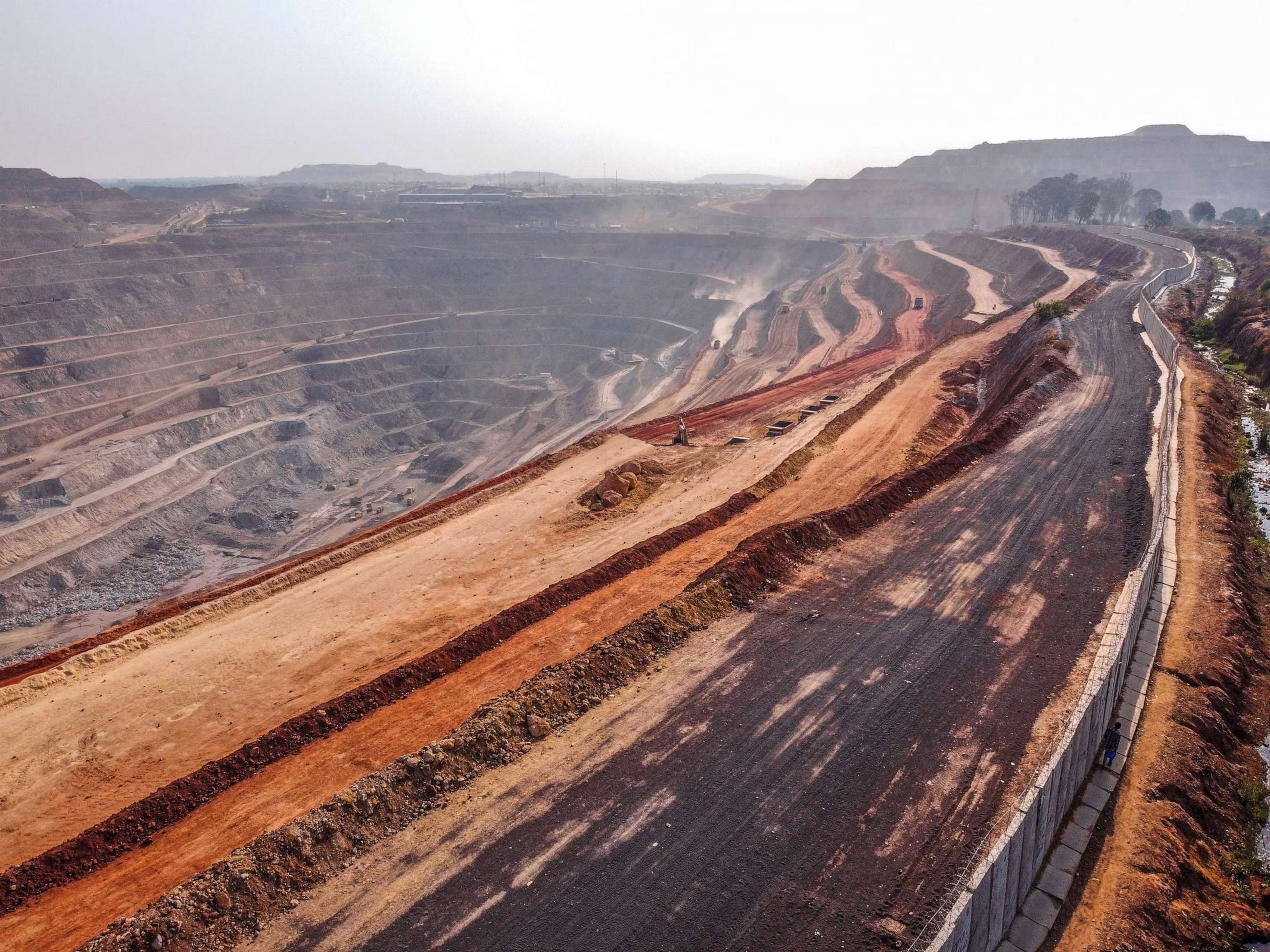
Tech is way ahead of us. It changes us before we know it. It’s ahead of our “better natures.” Tech is a double-edged sword.
So we’re taking on big questions. Like, “How does the world work, really? What’s going on?” We’re noticing that the human story is still evolutionary…and evolution is WILD!” We’re not out of the woods yet!
The WILD GLOBALIZATION PROJECT wonders if civilization's life-world doesn’t work more like a "BLACK BOX," what physicists call a “quantum entanglement.” Imagine a wild river, and then imagine many raging rivers over- and under- and inter-flowing together – a Wild Ecology River, a Wild Sex-Demographics River, a Wild Technology River, a Wild Economy River, then a Wild Wealth River, a Wild Governance River, and a Wild Culture River.
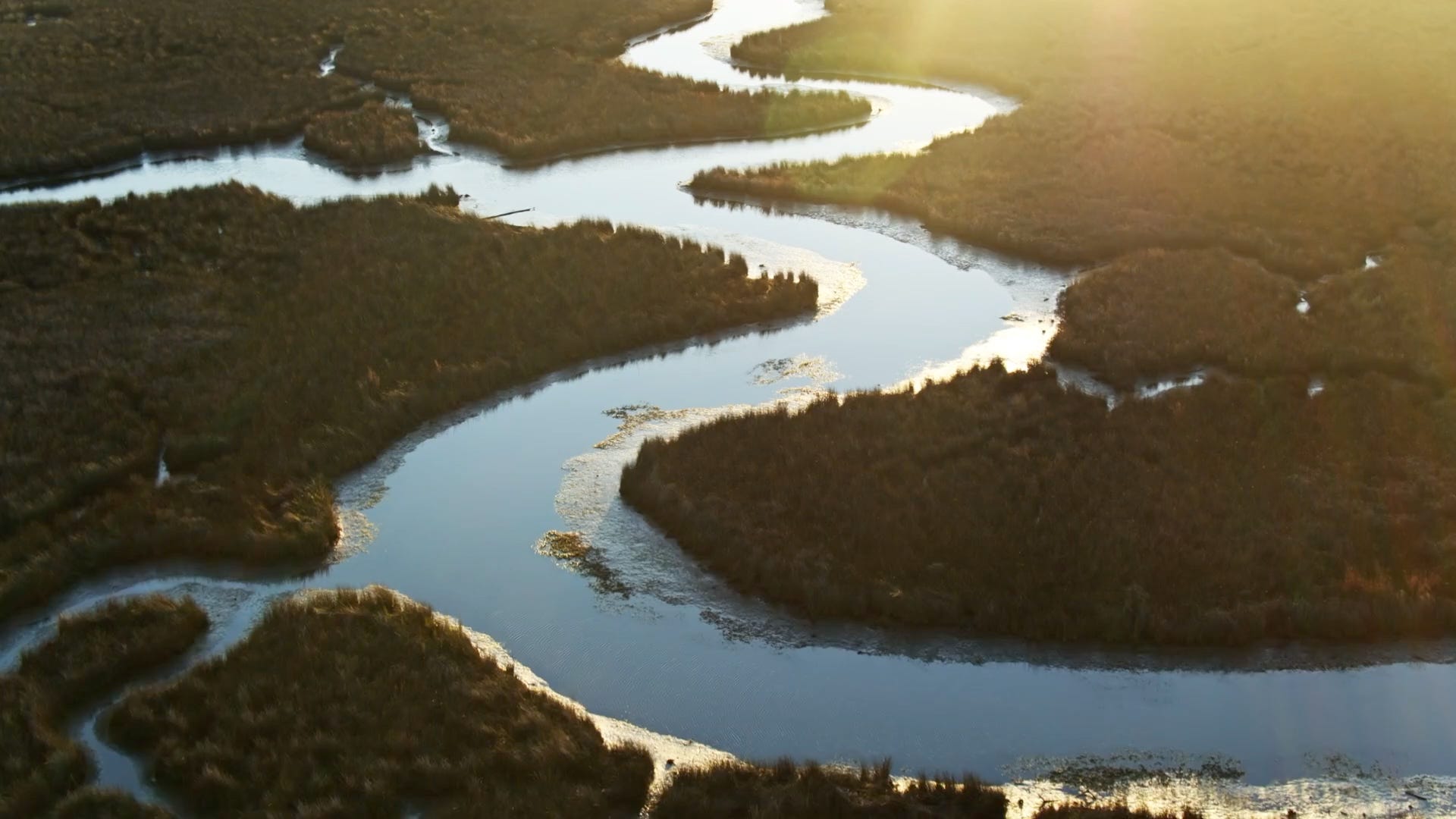
Each river is highly energetic, constantly changing, unstable, we can see it but it’s also working under the surface. Each momentum is difficult, if not impossible, to fully measure. We can guess what goes into the box, and we can observe, try to measure and respond to what comes out, but what happens inside that gives rise to the spontaneously emerging orders of life works more like this quantum entanglement – it advances ahead of our complete understanding, our common sense and rational governance, and most critically, our ethical response. It's...WILD!
But then, suddenly, a human launches into it and she’s riding a wild tech kayak and holding a wild tech paddle!

So where does Wild Globalization take us? What’s the endgame?
Here’s our “provocative statement:” “Humans have not emerged “from the wild.” We are wild Homo sapien. The wild is happening right here and now.
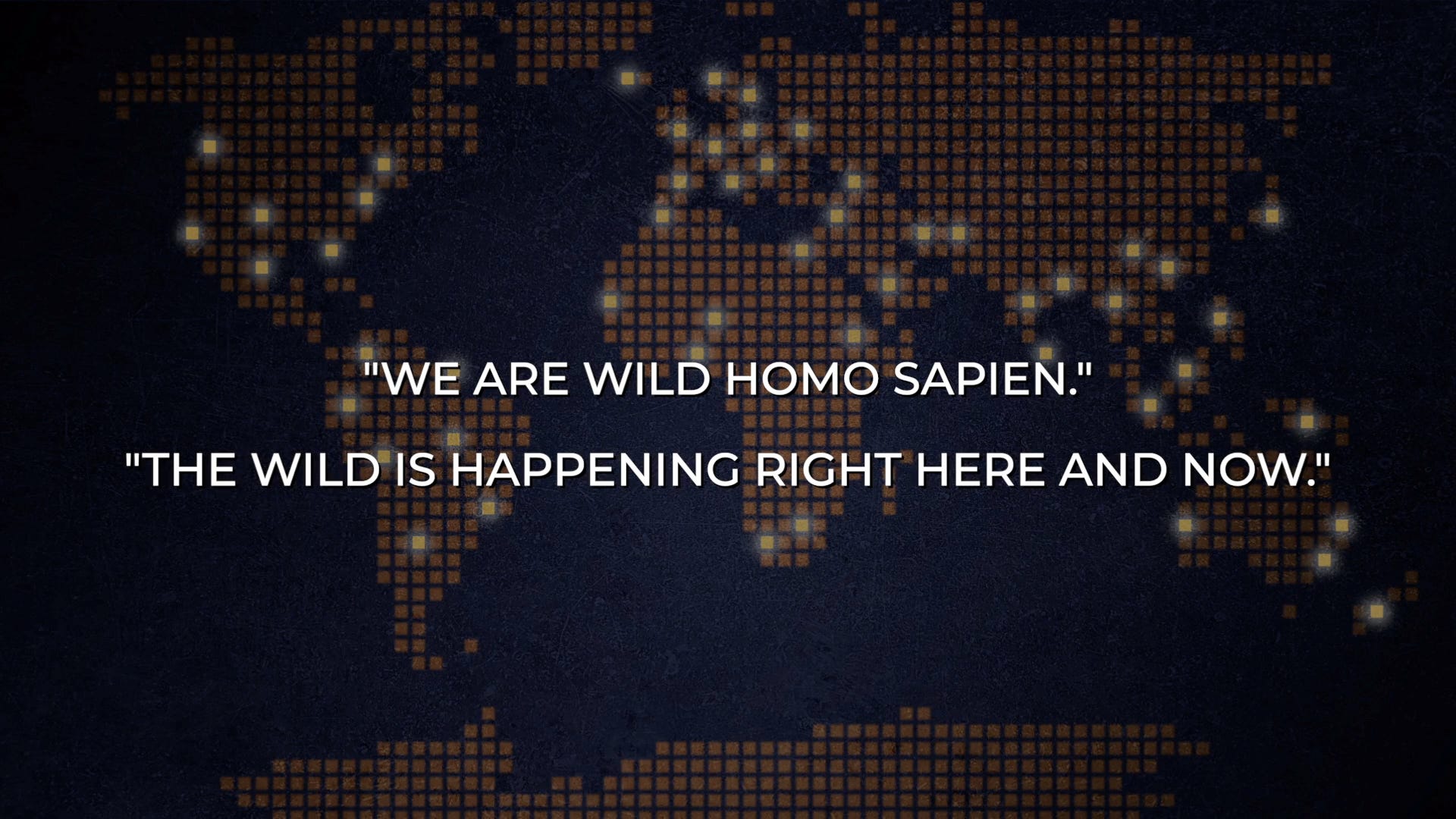
We’ve spread over the planet for 250,000 years. Our human “nature” has a history far deeper than smartphone intelligence and social media. We live in the throes of this quantum entanglement of ecologies, demographics and cultures, technologies, economies, governances, and wealth. To get here we’ve relied on two unique human abilities: Our critical thinking, OR NOT! And our ability to love and care for each other and the planet, OR NOT! We’re trying to get at things from both inside and outside the box, and to somehow think it all at once. How is this entanglement affecting the planet, changing it? But then, how are we getting kicked around by it?”
Finally, we’re trying to stay sharply focused. It’s more about problems than answers. As tech entrepreneur, Uri Levine, suggests,
“We’re trying to fall in love with the problem…”
Like the kayaker, we’re launching into these wild flows that constantly breakdown and destroy, and yet, at the same time, that then spontaneously build and create the orders of life on Earth.”
From Ice and Fire…Technology and Innovation
“The only way to think about technology is in evolutionary terms.” - Joel Mokyr
Wild Globalization is itself a “wild” endeavor – maybe something like Thomas Edison’s electric light bulb. Edison commented that,
“I haven’t failed, I have just found 10,000 ways that don’t work.”
Didn’t Edison start with all sorts of nature’s wild ecology stuff? And then turn electricity into light? He invented…actually he finally stumbled upon…a hyper-natural device. That’s what humans do. And let’s give Edison credit for saving the whales because humans could stop burning whale oil for light!
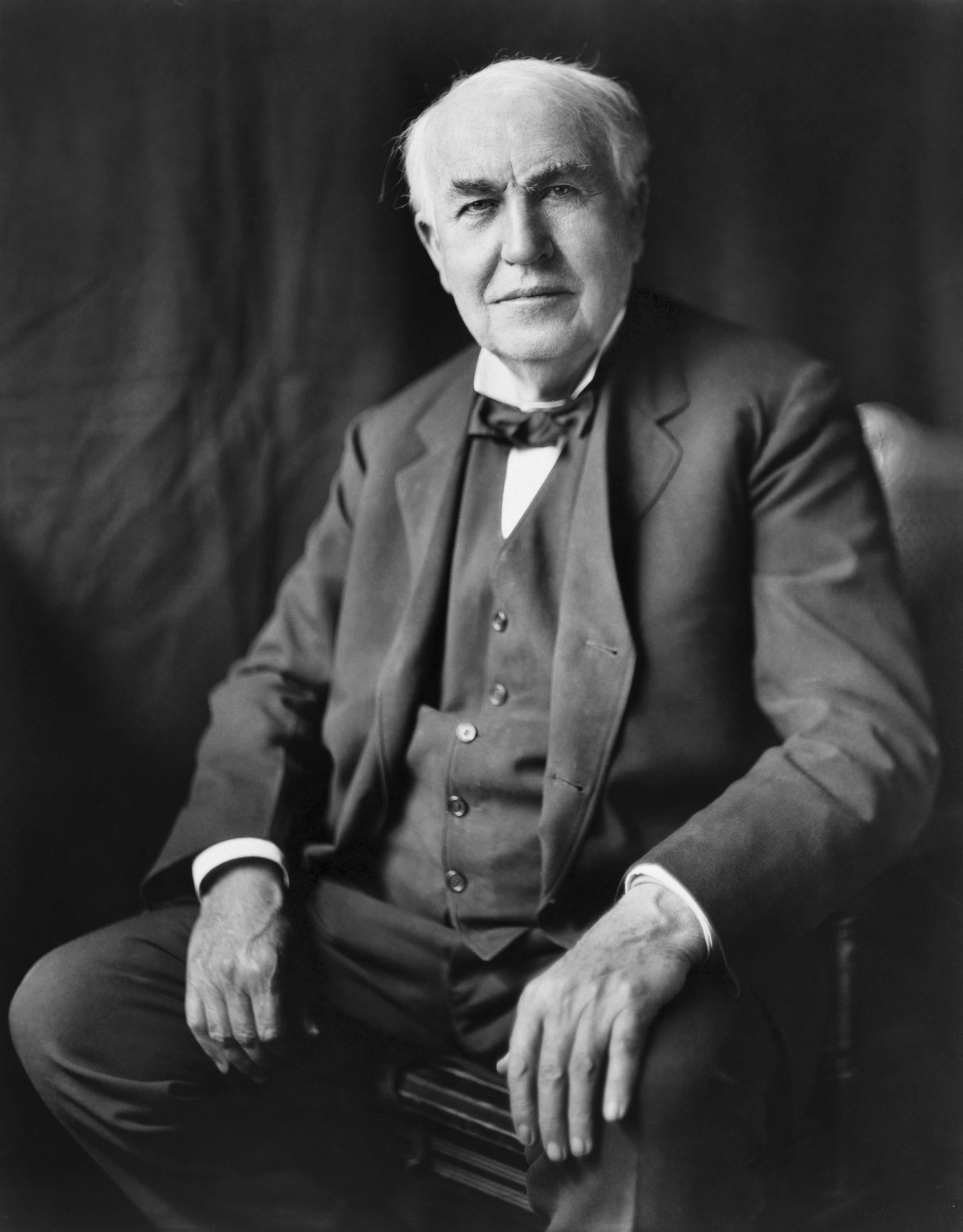
So, like Edison’s lightbulb, human technology appears in the paleo-record as a new emergent order of evolution.
Surviving the deep ice and great volcanic fires, our proto-ancestors turned fire on itself long before – over a million years before – we were fully “human.” They used fire to protect themselves in the dark night, and they began to cook their food.
We survived then and thrive today because we are intelligent and innovative creatures. We are technological.
But what is “technology” and where did it come from? How can we think of tech in the human story?
As we learned in Wild Sex and Demographics, our ancestors, over millions and thousands of years, started to do at least four things differently: they walked upright (“bipedalism”) which evolved highly articulated hands with opposing-thumbs; our brains got much larger. The human physical body grew into a technologized being, able to think, gather knowledge, and make things. And with skilled hands and clever brains we developed team-working and communication that would lead us to advanced intelligence, language, and advanced culture.
Humans gradually imposed these evolutionary gains on the natural world. Advanced intelligence that first gathered knowledge, then saved it in language, and that turned that knowledge into sophisticated technologies, these are the phenomenal differentiators of Homo sapien. Humans are the wildest, most radical evolutionary ploy ever ventured by Nature herself. As Beth Shapiro describes us in her book, Life as We Made It:
“Within the last 50,000 years, our ancestors hunted, polluted, and outcompeted hundreds of species to extinction. They turned wolves into Boston terriers…and wild cabbage into kale, broccoli, cauliflower…Some species survived their encounters with humans, but many did not, and all were transformed in some way. Living things today are as we made them, shaped in part by the randomness of evolution and in part by less random human intent.”
Beth Shapiro, Life as We Made It, 2021
The Unconstrained Imagination
So we made things. Things made from Nature that changed Nature itself. Tools of the hunt and the kill and the fireside.
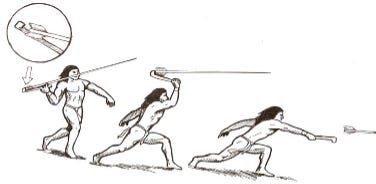
Someone even came along and made the “atlatl.”

It’s just a stick. But “whittled,” shaped. Yet still…just a stick. Or not? It’s now, possibly, something different. It’s a tool. But the atlatl-stick is useless, itself, without the spear. Or the arm.
It’s now an “extension,” a kind of prosthesis – an add-on arm. It has no power, until, the hand and arm take hold of it. And then, voilà! The “atlatl-ed”-arm is now a hyper-arm…!
The atlatl changes the human arm – but the arm itself has not changed. It’s still “natural.” Or is it? OK, alone, it’s the “same.” But with the atlatl and spear, not really. By taking hold of the atlatl, and the spear, the human arm now commands a radically new and synthetic power – it’s a “coming together” of Nature transformed by human ingenuity. Powerful because the atlatl-thrower can now stand far away from dangerous prey, or enemies, and the atlatl increases by 300% the spear’s velocity and lethality. The atlatl thrower is an entirely new evolutionary phenomenon. An innovation-order of evolution.
So what’s “natural” or “un-natural” here? And what, if anything, do we gain by making the difference? OK, the whole game is different. We have the atlatl, lots more meat, and now everyone without the atlatl is running. Away. Quickly. Suddenly, we rule the neighborhood…at least for now – until the next big-small thing, the next atlatl-gadget, the next crossbow or canon or…atomic bomb…comes along…
So we should wrestle with the “natural” question. That’s because technology gives us seemingly god-like powers over other creatures, over Nature, over our neighbors. God-like because technology is, more or less, unconstrained – we have to choose to control it. OR NOT! So the power of our tools and techs and weapons can make us, at least some of us, uneasy and uncomfortable “in our own skins.” Humans discover “conscience” as we confront the unconstrained ability of our intelligence and technologies to do good…or evil.
History demonstrates how tech can change “civilized” humans into robot-like agents with an industrial capacity to mobilize modern evil. As Daniel Jonah Goldhagen tells us in Hitler’s Willing Executioners, the 20th century’s Nazi Third Reich mobilized “300,000 willing executioners.” That is, non-combatant, mostly middle-age “soldiers” – accountants, engineers, bakers, professors, musicians, doctors, lawyers – citizens of every vocation – in an attempt to erase entire peoples and cultures (Daniel Jonah Goldhagen).
Here’s the conundrum: Whether we want to say that “Nature endowed us” with hyper-natural powers or, on the other hand, whether we say that humans fiendishly and unnaturally stole these powers from Nature – both might be plausible – the hard evolutionary fact is this: “…Here we are, with the atom bomb and the power to destroy creation many times over…So what do we do now…?”
A more basic formulation of the problem might be this:
Technology advances ahead of our ethical and common sense capacities to live with it, to manage it, to direct its best uses. That’s because tech, by definition, is designed to give us new-found and often untested powers to control or direct the natural world. Technology, brought into the world by an unrestrained human imagination, is itself unrestrained. The atlatl-ed mind has led us to the atomic cross-road where we have the power to destroy civilization and Earth as we know it. OR NOT!
Nowhere is this more evident than in the 20th century’s Manhattan Project, led by Robert Oppenheimer. The Project produced atom bombs that would extinguish in milliseconds nearly 200,000 Japanese lives in Hiroshima and Nagasaki. Yet it’s rationally argued that the decision to use the weapon may have saved millions from the slaughter of an allied invasion. And it begs the further question: “What if the German Reich or Imperial Japan had gotten the bomb ahead of the Americans?” We’ll never know. The debate speaks to the heart of our moral dilemma.
Tech forces the human conscience to decide. Tech demands that the human ethical response restrain its power, OR NOT! As Oppenheimer himself later described the moment of the first Alamogordo test, quoting from the sacred Bhagavad Gita,
“ ‘Now I am become death, the destroyer of worlds.’ ” – and he added, “I suppose we all thought that one way or another.”
J. Robert Oppenheimer
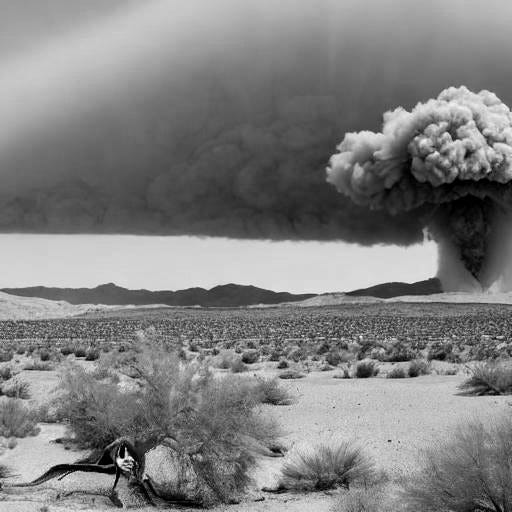
Oppenheimer devoted the rest of his life to restraining atomic weapons.
Atomic technology shows us how the greatest technical challenge may not be innovation and invention. Rather, the challenge is how we work technology – whether the atom bomb or the cobalt in our lithium batteries – into the evolutionary moment in a pragmatic and caring way. Technology’s impact on our lives advances ahead of our ability to adjust to it.
Simply said, technology is wild.
Fogel’s Techno-Physio-Cultural Evolution
Nobel laureate Robert William Fogel formulated this wild entanglement of technology and civilization. He named it "techno-physio-cultural evolution." [GB1] It’s a big deal and it’s taken over humanity in the last 250 years.
When humans get to growing and raising their food around 9,000 BCE, there’s maybe @10 million of us on the planet. In spite of more to eat, Fogel notes that populations don’t expand much, growing to just 500 million over the next 7,500 years. He notes,
“…It took four thousand years to go from the invention of the plow to figuring out how to hitch a plow up to a horse…but then it only took 65 years to go from the first flight of a heavier-than-air machine to landing on the moon…”
Robert William Fogel, The Fourth Great Awakening, 2000.
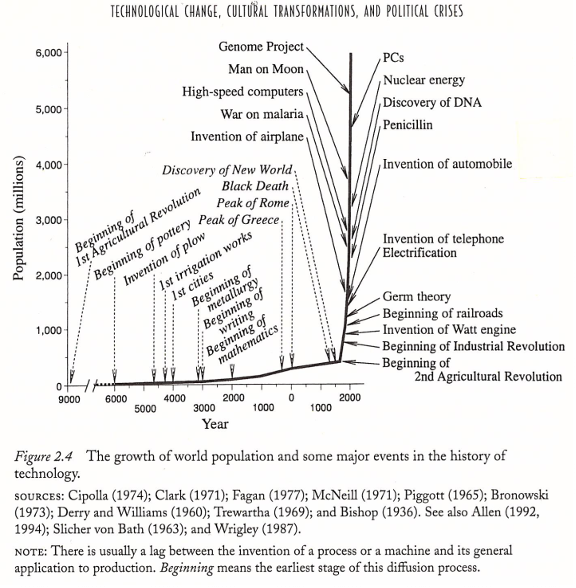
But are population numbers the only measure? In that span we see cities and urbanization begin. Irrigation and metallurgy appears. Then writing and mathematics. By the 7th century Slavs and Germanic peoples had replaced crude wooden plows with the heavy iron plough, likely of Chinese origins, and tillable land expanded. Ancient Greece, Rome, China, and the Americas produce advanced civilizations. Brits and Europeans began to harness wind and water-power on a mass scale – England alone boasted over 6,500 water-powered mills by the 11th century. Human populations survive horrific pandemics, including the 14th century Black Death. Then the Europeans “discover” the Americas and trigger the beginning of modern globalization.
But then human populations and technologies explode as the Second Ag Revolution and the Western Enlightenment moves over Britain and Europe by the 17th century. Waves of new Ag-techs increase productivity – the Norfolk crop rotation system, and the Dutch improve the Chinese plough again. National markets appear. Transportation modernizes – canals and roads connect farm to markets. Property rights and private land ownership increase efficiencies. The new Ag produces foodstuff bounties. Human numbers multiply, at first gradually but then exponentially, wildly.
More and easier food means some folks can get off the farm. More people are freed up to run governments and pursue commerce. When printing and publishing get moving in the 15th century, curious folks start to research and experiment with the natural world. They communicate with other researchers and modern experimental science gains momentum. Others are free to solve problems which means innovating new gadgets, climaxing with James Watt’s steam engine that will power the new industrial age. The evolutionary rocket ship of practical and market deployed innovation launches what we now call “modernity.”
The modern age begins to generate entirely new opportunities – brilliant techs and new ways of doing things transform lives and lifestyles. But brilliance and brightness also cast shadows. As the pace and magnitude of change shifts life into a new gear based on research, innovation and knowledge, it also leaves some, even many, behind. Consequently by the 17th-19th centuries, Europe’s and Britain’s domestic productivities have surged wildly ahead of the great Chinese and Indian economies that remain primarily agricultural.
So why did all this change get started in the West, in Britain and Europe? And how could it have sprung from the ‘Dark Ages?’ ”
Two possible takes:
First, the Dark Ages were made horrific by the terrible pandemics and famines that swept over Europe and Eurasia from the 6th to 14th centuries. Populations were decimated. Radical change became commonplace. Yet in spite of the demographic destruction, Europeans were building things like universities and great cathedrals – over 143 universities stood by the end of the 18th century. And over six hundred cathedrals stand today – Notre Dame de Paris was completed in the 13th century.
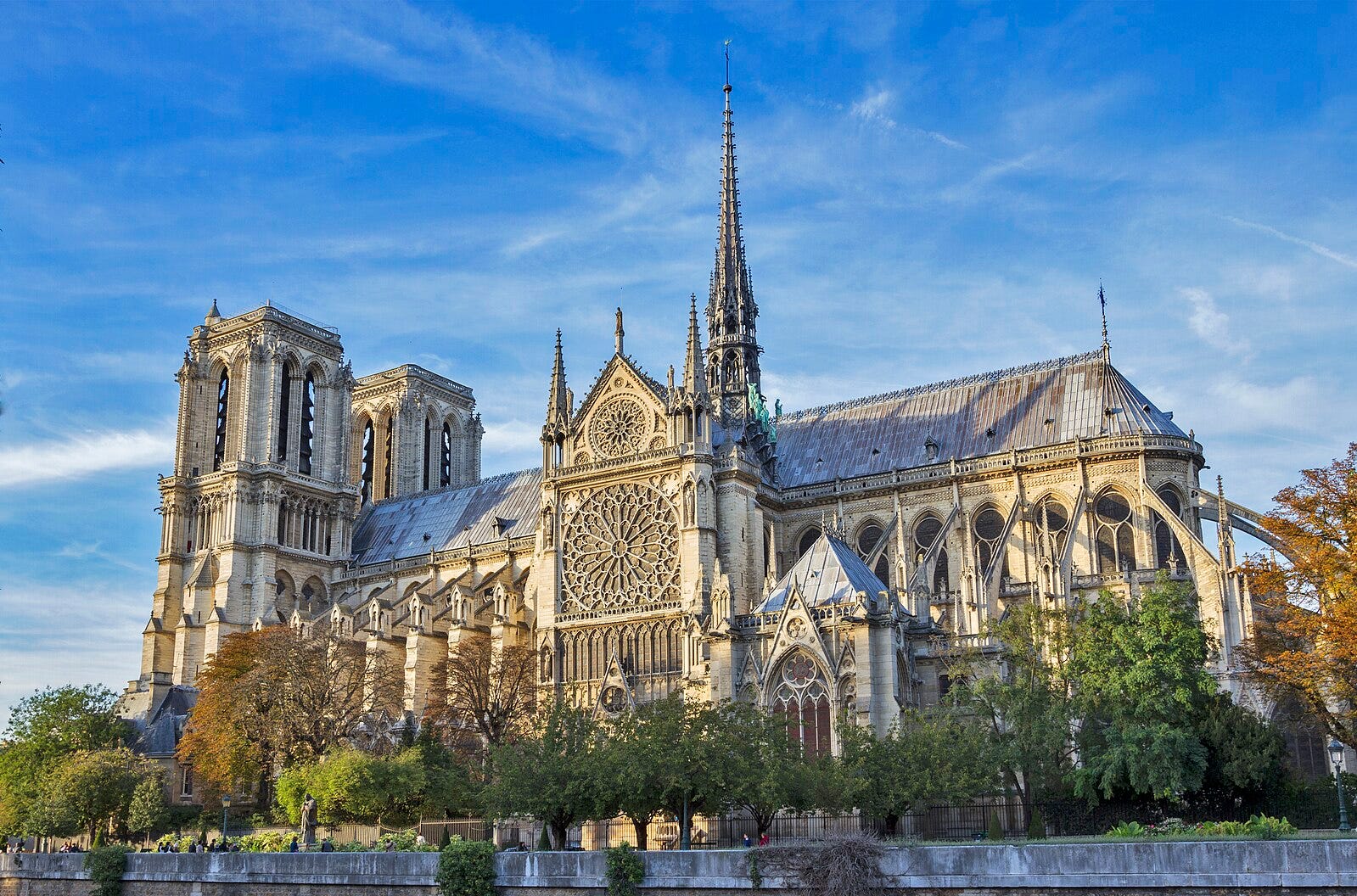
Second, Europe’s culture was comprised of diverse peoples and languages that competed, often violently, with one another. They got on by gradually innovating – and sometimes “stealing” and improving on other’s inventions – new technologies: gunpowder for cannons, printing and publishing spread knowledge, clocks appeared to coordinate urban living, the compass improved navigation, better wagons and roads brought goods to markets, and as we noted above, wind and water-powered techs had spread prolifically. During these Middle Ages, the Europeans had also got to trading goods in markets and making techs available for more and more folks
In fact many of the key techs had come from China centuries before. But Chinese governance had kept the innovations away from their peoples and markets. Diedre McCloskey, in her book, Bourgeois Dignity, gives Chairman Mao’s reflective account of how Europe got way ahead of, or China way behind, everyone else:

"Our fathers were indeed wise. They invented printing, but not newspapers. They invented gunpowder, but used it only for fireworks. Finally, they invented the compass, but took care not to use it to discover America."
So tech is not just about clever gadgets. It’s about markets and getting the new techs out to the folks.
Yes, markets! Bitter controversy raises its head when we talk about “markets.” Or “capitalism!” But so-called “capitalism” appears to be inevitable and evolutionary in the practical historical record. Mao eluded to this and his buddy, Deng Xiaoping, finally opened China to globalizing markets in the late 20th century.
Deng was a practical leader, a “pragmatist.” He’s famous for saying, “I don’t care if the cat is white or the cat is black, if the cat can catch the mouse!” Deng was merely acknowledging that capitalism and markets have emerged in the evolutionary order because they most dynamically unleash the wild energies of new technologies, what Joseph Schumpeter called the “incessant gale of creative destruction.” Joseh Schumpeter It’s just no surprise that when so-called “free market commerce” gets moving it exposes all the good and evil that have beset wild humanity forever – greed and prosperity, the powerful and the weak, more people but ecosystems at risk, elegant gadgets but lots of folks left behind. Capitalism and “free” markets are as wild as anything human.
Summary
This is the rocket we’re riding. It’s Nature’s new wild human pace of change.
In 1999, John Chambers, whose Cisco Systems help build the Internet, observed:
“The internet will change everything. The industrial Revolution brought together people with machines in factories…the Internet Revolution will bring together people with knowledge and information…it will have as much impact on society as the Industrial Revolution. It will promote globalization at an incredible pace. But instead of happening over a hundred years, like the Industrial Revolution, it will happen over seven years.”
John Chambers, 1999
Does anyone remember what life was like before the Internet?
To tie this together, Wild Tech wonders if or how the new “artificial intelligence” tech, or “A.I.,” can have a moral compass, a conscience. If our thesis is on point, that human civilization lives in this quantum entanglement, how does AI “live” that? Can A.I. care?
Human intelligence and conscience, we suggest, are unconstrained and so we are uneasy with ourselves. We live a native, wild angst in our hearts and souls. This uneasiness has grown exponentially with the rise of modern technology.
Tech is wild. It’s way ahead of us. Civilization’s and globalization’s technologies emerged from the wilderness. They continue to create their own wilderness.
So, this “Wild Technology” YouTube video is one of a suite of “Wild Globalization” YouTube videos. Visit www.substack.wildglobalization.com for transcripts or our website at www.wildglobalization.com.